

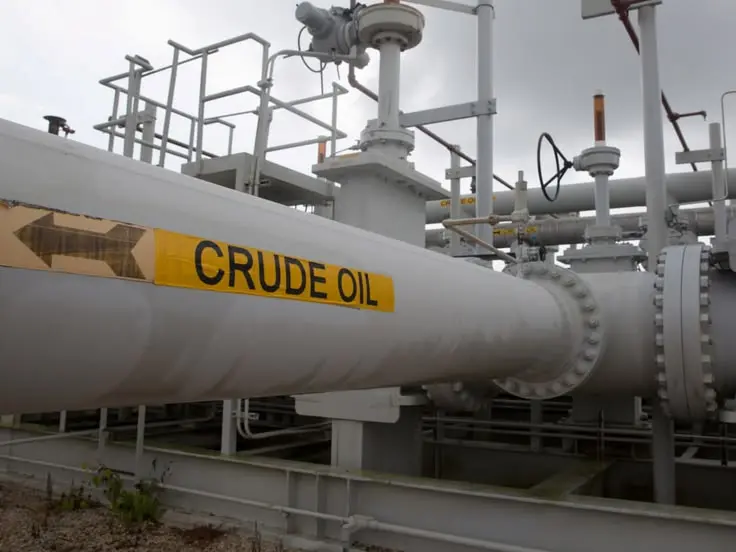
Nigeria is considering changes to its crude oil allocation and pricing framework in an effort to improve feedstock access for domestic refineries and reduce some of the costs associated with local crude purchases.
The proposals under consideration include allowing producers connected to international oil company networks to deliver crude directly to nearby refineries. Another proposal would provide pricing adjustments for refiners that collect crude directly from production facilities, according to a Reuters report published on Wednesday.
The measures have not been formally implemented. An official of the Nigerian Upstream Petroleum Regulatory Commission said the proposals remained under discussion and would require the resolution of issues involving crude quality, pricing and the reconciliation of supplied volumes.
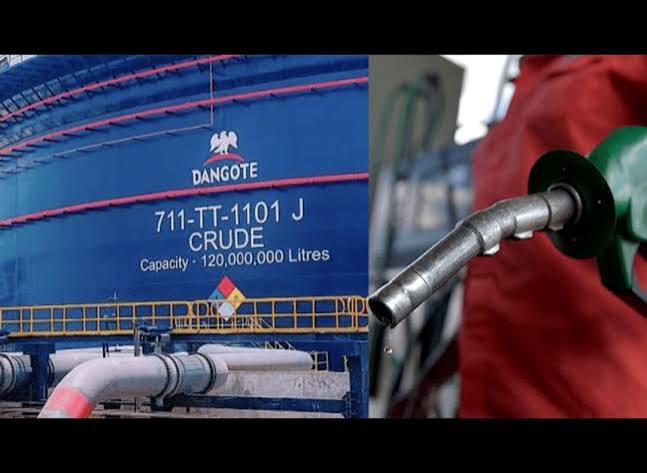
If adopted, the changes could benefit the Dangote Petroleum Refinery and Nigeria’s growing number of modular and conventional refineries, which have repeatedly raised concerns about the cost and reliability of domestic crude supply.
Eche Idoko, spokesperson for the Crude Oil Refinery Owners Association of Nigeria, said one of the proposals would permit a producer operating within an international oil company’s network to supply crude directly to a refinery located near its production facility.
The delivered volume would subsequently be reconciled at the relevant export terminal. According to Idoko, the arrangement could reduce dependence on trunk pipelines and move crude closer to domestic processing facilities.
A second proposal would allow a refinery collecting crude directly from a production site to receive a discount reflecting freight and handling expenses already included in Brent-linked prices but not incurred in the transaction.
CORAN estimates that the involvement of intermediaries in the existing supply structure can add between $3 and $4 to the cost of each barrel acquired by a domestic refinery.
The association has previously argued that local refiners should not be charged for international freight, insurance and handling costs where crude is produced and processed within Nigeria.
In March, CORAN called for a domestic pricing framework that would remove costs not applicable to locally delivered crude. It argued that lower feedstock costs could help refiners operate more efficiently and reduce their exposure to movements in international oil prices.
However, any reduction in refinery feedstock costs would not automatically translate into lower retail fuel prices. Pump prices are also influenced by crude prices, exchange rates, refining expenses, distribution costs, taxes and market competition.
Compliance improves, but demand gap remains
The latest proposals follow an improvement in producer compliance with Nigeria’s Domestic Crude Supply Obligation framework.
NUPRC data cited by Reuters showed that compliance exceeded 90 per cent in the most recent quarter, up from less than 43 per cent in the preceding period.
The figure measures crude delivered against the volumes allocated by the regulator. It does not mean that more than 90 per cent of the total crude required by Nigerian refineries was supplied.
Under the domestic supply framework, producers are required to offer designated volumes of crude to local refineries. Actual sales are then negotiated on a willing-buyer, willing-seller basis.
This distinction has become important because previous figures showed a substantial difference between the volume offered by producers and the quantity eventually received by refiners.
NUPRC data for the first quarter of 2026 showed that 61.9 million barrels were allocated to domestic refineries, while producers offered 68.7 million barrels. Only 28.5 million barrels were eventually delivered, representing a conversion rate of between 36 and 46 per cent.
The regulator attributed part of that gap to pricing disagreements between producers and refiners. Infrastructure constraints, crude specifications, commercial terms and delivery arrangements have also affected transactions.
In April, NUPRC Chief Executive Oritsemeyiwa Eyesan identified inadequate pipeline networks, evacuation bottlenecks, limited storage and marine logistics as obstacles to reliable domestic supply.
She encouraged refinery owners to consider long-term supply agreements with producers to improve predictability and stabilise costs. The commission also advised local refiners to explore participation in upstream oil assets as a longer-term means of securing feedstock.
Why the proposals matter
Reliable crude supply is central to Nigeria’s attempt to expand domestic refining after decades of dependence on imported petroleum products.
Although Nigeria is one of Africa’s major crude producers, several local refineries have struggled to obtain sufficient feedstock on commercially acceptable terms. Some have imported crude despite being located in an oil-producing country.
The Dangote refinery has become the largest part of Nigeria’s domestic refining system, but it has also reported supply constraints. Reuters reported in July that the company began pricing some local fuel sales in dollars, citing challenges in securing enough crude through the government-backed naira-for-crude arrangement and the cost of importing feedstock.
Smaller refinery operators face similar concerns, although their production capacity and commercial circumstances differ significantly from those of Dangote.
CORAN has warned that irregular deliveries leave local facilities underused and weaken investment in the refining industry. The association says easier access to crude could support local production, conserve foreign exchange and improve energy security.
Supporters of the proposed direct-delivery model believe it could reduce logistical costs and create a clearer relationship between nearby producers and refiners.
Nevertheless, implementation may be complicated. Nigerian crude grades have different characteristics and market values. Regulators and industry participants would need to agree on how quality differences, delivery losses, transportation savings and terminal reconciliation should be calculated.
There is also the question of whether producers would receive commercially competitive returns from direct domestic sales compared with exports.
For now, the proposals represent an attempt to resolve longstanding friction between producers and refiners. Their eventual effect will depend on the final pricing rules, enforcement mechanisms and the ability of regulators to ensure that allocated crude is converted into completed transactions.
NUPRC has not announced a timetable for adopting the measures. Until a final framework is issued, the existing domestic crude supply rules and negotiated commercial arrangements will remain in place.




Comments (0)
Leave a Comment
No comments yet. Be the first to share your thoughts.