


The Independent National Electoral Commission has adopted the recently concluded Osun State governorship election as a benchmark for its preparations for Nigeria’s 2027 general elections.
INEC Chairman, Professor Joash Amupitan, said on Friday that the commission intends to build on improvements recorded during the August 15 poll, particularly in polling-unit opening times, the performance of the Bimodal Voter Accreditation System, electronic transmission of results and crisis management.
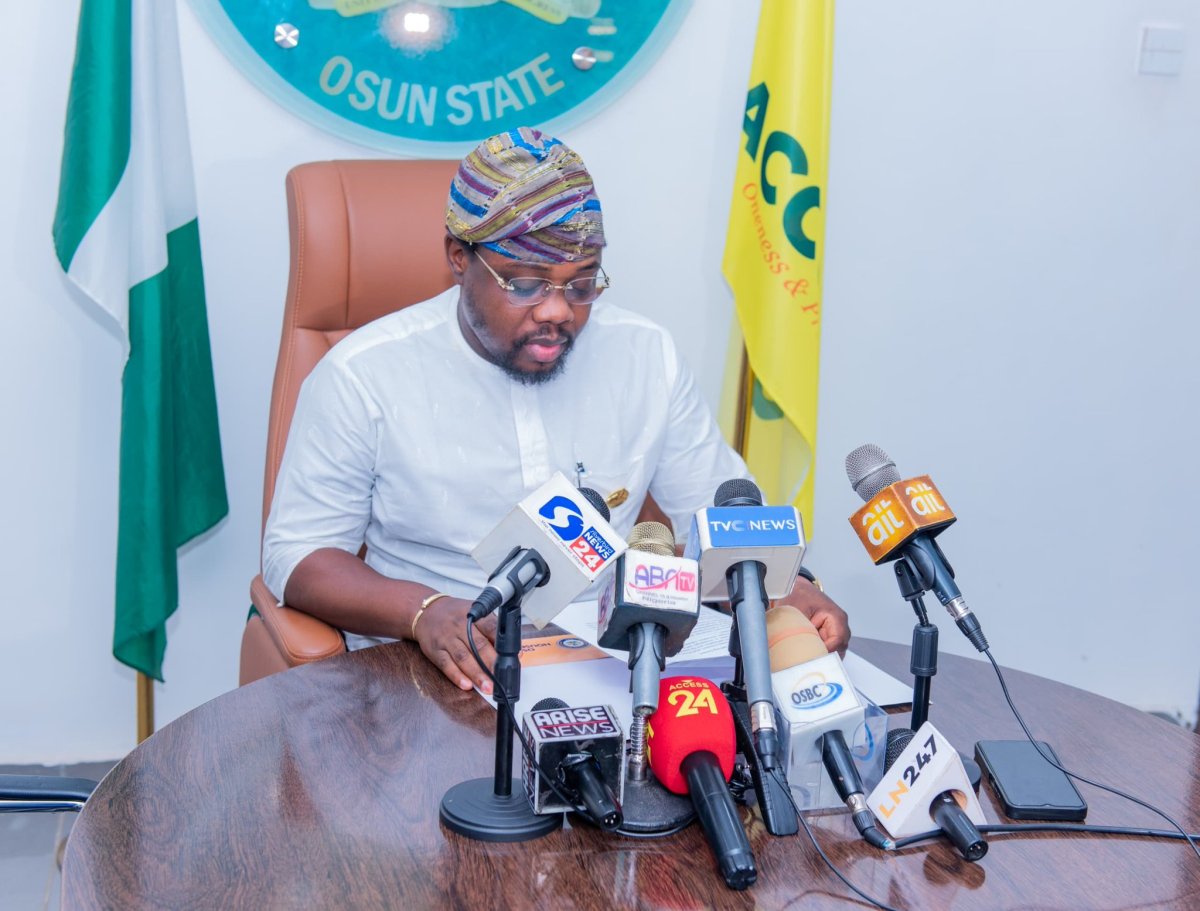
Amupitan spoke when he received the Chargé d’Affaires of Canada to Nigeria, David Sproule, and a delegation from the Canadian High Commission at INEC headquarters in Abuja.
According to the INEC chairman, 3,556 of the 3,763 polling units used for the Osun election, representing about 94.5 per cent, opened for accreditation and voting by 8:30am.
He also cited what the commission described as strong BVAS performance, smooth uploads of polling-unit results to the INEC Result Viewing portal and proactive management of security and operational challenges.
Amupitan said INEC regarded the Osun election not as the end of its reform efforts but as a standard from which it would prepare for the much larger national exercise in 2027.
The commission had previously described the Osun election as an important test for the electoral system. Before the poll, Amupitan said the governorship contest would serve as a “mirror” for preparations towards the 2027 general elections.
Following the declaration of results, he also told INEC personnel that lessons from Osun should be used to refine the commission’s strategy ahead of the national polls.
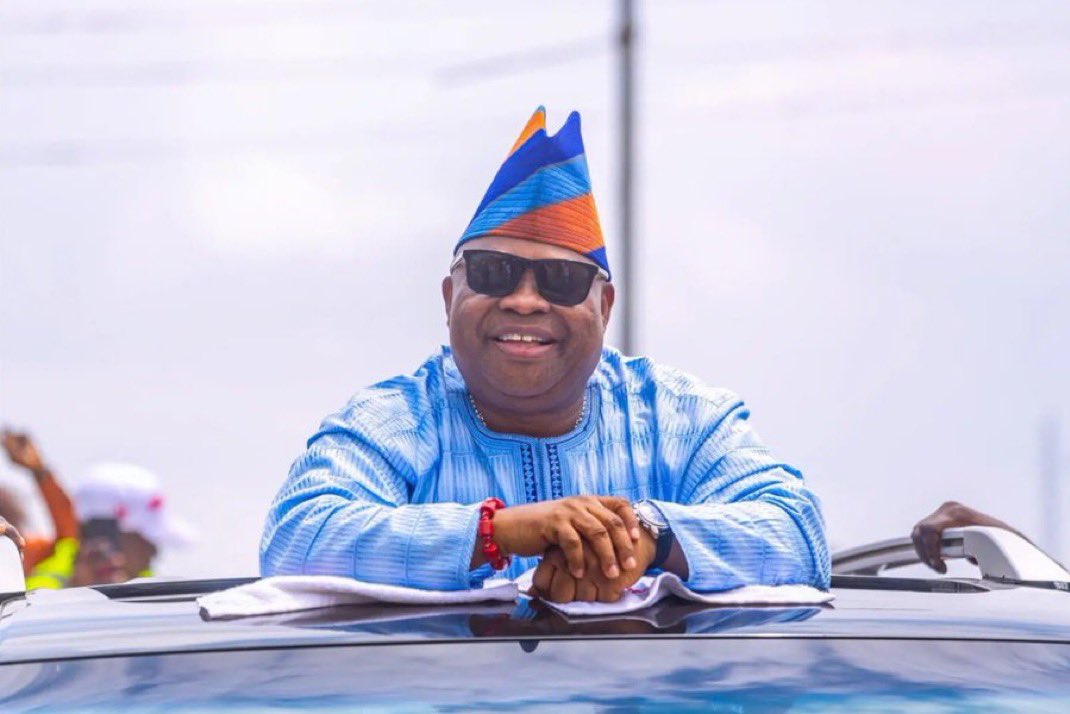
Governor Ademola Adeleke was re-elected in the August 15 election after polling 511,067 votes. His closest challenger, Bola Oyebamiji of the All Progressives Congress, received 444,815 votes, while Najeem Salaam of the African Democratic Congress finished third with 17,180 votes.
The election was held amid concerns over violence, vote buying, political tension and the ability of security agencies and INEC to maintain neutrality.
Despite those concerns, voting was reported to have proceeded largely peacefully across the state, although isolated incidents and complaints were recorded.
Civil society organisations and political groups have subsequently praised aspects of the election while urging INEC not to treat the Osun experience as proof that outstanding problems in Nigeria’s electoral system have been resolved.
A coalition of political, youth and civil society groups said this week that its review found that the election met about 92 per cent of the benchmarks it used to assess the process, including institutional independence, adherence to the timetable, polling procedures, security conduct and use of the IReV platform.
Amupitan said preparations for 2027 were already underway.
Public campaigns for the general elections formally began on August 19, while presidential candidates participated in the first National Peace Accord on issue-based campaigns a day earlier.
The INEC chairman identified five areas the commission intends to prioritise before the elections: consolidating technological improvements, increasing electoral inclusion, strengthening institutional and technical capacity, tackling misinformation and protecting electoral integrity.
INEC also plans to conduct a nationwide mock accreditation exercise in November 2026 to test BVAS devices and other equipment under field conditions.
According to Amupitan, the exercise will allow the commission to identify technical and operational weaknesses before the general election.
The scale of the 2027 election will be significantly larger than the Osun exercise.
INEC estimates that it will require about 1.4 million ad-hoc personnel to conduct voting across more than 176,000 polling units nationwide.
The commission is also preparing for the growing role of artificial intelligence in elections.
Amupitan said INEC had established a dedicated AI unit to explore its responsible use in areas including data management and voter registration while developing safeguards against threats such as deepfakes and electoral disinformation.
He said INEC representatives would attend a Global Conference on Responsible AI and Elections in Ottawa, Canada, in September.
Sproule, meanwhile, said Canada would continue to support Nigeria’s electoral process through technical assistance, election observation, public awareness and efforts to improve participation by women and other groups.
The 2027 general elections will provide a much broader test of whether the operational improvements recorded in Osun can be reproduced consistently across Nigeria.



Comments (0)
Leave a Comment
No comments yet. Be the first to share your thoughts.